
The British and French governments invested $2.8 billion in the Concorde supersonic jet. They continued funding it for 27 years despite clear evidence it would never profit. This wasn’t bureaucratic stubbornness but a universal human pattern we all share.
You sit through an entire boring movie because you paid for the ticket. You finish a meal you don’t enjoy because it cost too much to waste. You remain in situations that drain your energy simply because you’ve already invested so much time.
This behavior has a name: the sunk cost fallacy. It describes our tendency to continue with something once we’ve put resources into it. Walking away would often serve us better.
Psychologists Amos Tversky and Daniel Kahneman established the foundation for understanding this cognitive bias. Their work was so groundbreaking that Kahneman received the 2002 Nobel Prize. Their research revealed something profound: irrational decision persistence affects everyone.
This pattern impacts corporate leaders making million-dollar investments and individuals navigating personal relationships.
Understanding this pattern isn’t about judgment. It’s about creating awareness that opens the door to different decisions.
Key Takeaways
- The Concorde project demonstrates how even governments fall victim to continuing unprofitable investments after committing substantial resources
- We naturally tend to continue activities we’ve invested in, even when current costs exceed benefits
- Nobel Prize-winning research by Kahneman and Tversky established this as a fundamental cognitive bias affecting all humans
- This thinking pattern appears in everyday decisions like finishing movies and meals, not just major financial choices
- Recognizing this behavior creates opportunities for making decisions based on present value rather than past investment
- Understanding this pattern without self-judgment allows for genuine personal growth and transformation
Understanding the Sunk Cost Fallacy
We often stay in failing ventures because we’ve already invested so much. We’re dancing with an invisible force that economists have studied for decades. This phenomenon shapes our lives in ways both subtle and profound.
It whispers in our ear during key decisions. Should we finish that boring book? Should we continue a degree program that no longer serves us? Should we remain in a relationship that’s lost its spark?
The journey to freedom begins with understanding. Once we can name what holds us, we gain power to release it. This section illuminates the nature of the sunk cost fallacy.
What Makes a Cost Truly Sunk
In economic decision theory, a sunk cost represents something already spent that cannot be recovered. Think of it as water poured into sand. The money is gone, the time has passed, and the effort has been expended.
Here’s where human psychology diverges from pure logic. The sunk cost definition in economics says these past expenses should hold zero weight. Yet we behave as though they matter tremendously.
The fallacy emerges when we continue investing primarily because we’ve already invested so much. We’re trying to justify past decisions by making future ones. It’s the voice that says, “I can’t quit now—think of everything I’ve put in.”
This pattern affects decisions involving money, certainly. But it also traps us with investments of time, emotional energy, and identity. We stay because leaving would mean admitting that what we’ve given was somehow wasted.
The Pioneers Who Mapped Our Blind Spots
The story of understanding begins with brilliant minds who questioned why humans make irrational choices. In 1972, psychologists Amos Tversky and Daniel Kahneman introduced the world to cognitive bias. This revealed systematic patterns in how we deviate from rational judgment.
Their work laid the foundation for what would become behavioral economics. This field bridges psychology and economics. It acknowledges that humans aren’t the perfectly rational actors that classical economic models assumed.
Richard Thaler brought specific focus to the sunk cost fallacy in 1980. Through careful research, he demonstrated something fascinating. People show greater tendency to use a product when they’ve invested money into it.
Scientists Hal Arkes and Catherine Blumer expanded this understanding through elegant experiments. Their ski trip study revealed something both amusing and sobering about human nature.
Participants imagined they had purchased two ski trips. One to Michigan cost $100, while one to Wisconsin cost only $50. They would enjoy the Wisconsin trip more, but both fell on the same weekend.
Logic suggests choosing the more enjoyable experience. Yet most participants selected the less enjoyable Michigan trip simply because they’d paid more. The larger sunk cost drove their decision, overriding their actual preferences.
When Past Investments Hold Us Hostage
The most famous illustration comes from aviation history—the Concorde supersonic jet. British and French governments continued funding this commercially unviable aircraft for years. It became clear the project would never be profitable.
They’d already invested massive resources. Stopping felt like admitting failure, like wasting everything already spent. The phenomenon became so associated with this project that economists coined the term “Concorde fallacy.”
Consider a more personal example that might feel familiar. You buy a gym membership for $100 monthly. After two months, you realize you hate this particular gym.
It’s crowded, far from home, and you never feel comfortable there. A better gym nearby costs $80 monthly and would bring you genuine joy. But you’ve already paid for three months upfront at the first gym.
So you continue going to the place you dislike. You drag yourself there with decreasing frequency until you eventually stop exercising altogether. The $300 already spent influenced your choice, even though it was gone regardless.
Or imagine reading a book that bores you deeply. You’re 200 pages in, and you have 300 pages remaining. Every page feels like a chore.
But you’ve already invested hours into this book. So you push forward rather than setting it aside for something enriching. These everyday examples reveal how the sunk cost fallacy operates beyond boardrooms.
We sacrifice future joy to justify past investments. We create a prison built from expenses we can never reclaim.
Psychological Underpinnings of the Fallacy
We often stick with failing plans because our minds value lost resources more than future gains. The sunk cost fallacy goes beyond poor logic. It comes from deep psychological patterns that have influenced human behavior for thousands of years.
Research shows at least five psychological factors keep us tied to bad decisions. These mental mechanisms work together. They create a strong pull toward continuing what we started, even when things look bleak.
Looking at these patterns with compassion helps us see ourselves more clearly. This cognitive bias in decision making affects everyone. It impacts seasoned executives and people making daily life choices alike.
The Discomfort of Conflicting Thoughts
Cognitive dissonance creates uncomfortable tension in our minds. We hold two opposing beliefs at once: this situation isn’t working and I committed to making this work. This mental friction can feel physically uncomfortable, like an itch we desperately want to scratch.
Our brains naturally seek harmony and consistency. We have three choices when facing this internal conflict. We can change our behavior, change our beliefs, or justify the contradiction.
Unfortunately, we often choose the third option. We tell ourselves stories that reduce discomfort without addressing the real problem. A business owner might think, “Things will turn around next quarter,” even when evidence suggests otherwise.
The mind prefers comfortable lies to uncomfortable truths. This preference shapes how we interpret new information. We filter out data that challenges our commitment while amplifying anything supporting our current path.
Why Losing Hurts More Than Winning Feels Good
Loss aversion psychology reveals a fundamental truth about human nature. Losing something feels roughly twice as painful as gaining the same thing feels good. Winning $100 creates pleasure, but losing $100 cuts much deeper.
This emotional imbalance drives much of the sunk cost fallacy. We focus so hard on avoiding the pain of admitting loss that we accept ongoing suffering instead. The sharp sting of walking away feels unbearable, so we choose the dull ache of staying.
Consider the traveler who realizes they’re on the wrong path. Turning back feels like wasted steps, so they continue forward. But every step taken on the wrong path is truly wasted.
Investment psychology demonstrates how this principle affects financial decisions. Investors hold losing stocks far longer than rational analysis would suggest. They wait for the stock to return to their purchase price, turning temporary losses into permanent ones.
The framing effect intensifies loss aversion. Following through with a commitment feels like success and persistence. Changing course creates a narrative of failure and weakness.
- Unrealistic optimism: We overestimate chances of success and underestimate risks, especially with money already invested
- Personal responsibility: Feeling accountable for previous expenditures makes changing direction psychologically harder
- Fear of appearing wasteful: We worry about how we’ll look to ourselves and others if we abandon our investment
The Need to Appear Consistent
Humans want to be seen as consistent, both by others and by themselves. This desire runs deep in our psychology. Consistency signals reliability, trustworthiness, and stability—qualities valued in every culture and community.
Psychologist Veronika Tait from Snow College notes something profound about this tendency. “Changing course feels like we have to admit we’ve made a mistake. It’s easier sometimes to double down.” This observation captures why cognitive bias in decision making persists even when we know better.
The commitment and consistency principle becomes a psychological prison when taken to extremes. We tell ourselves and others what we intend to do. That public declaration creates internal pressure to follow through, regardless of changing circumstances.
This virtue of consistency transforms into a vice when it overrides wisdom. We confuse stubbornness with strength, rigidity with integrity. The person who cannot adapt to new information isn’t demonstrating admirable consistency—they’re showing an inability to learn.
Investment psychology studies reveal that traders who publicly announce their positions hold them longer than those who trade privately. The social commitment amplifies the internal commitment. This creates multiple layers of psychological resistance to change.
These psychological underpinnings work together, reinforcing each other. Cognitive dissonance creates discomfort, loss aversion makes walking away painful, and commitment pressure keeps us locked in place. Understanding these forces is the first step toward freedom from their grip.
The greatest wisdom is seeing through appearances.
Recognizing these patterns within ourselves allows us to approach them with curiosity rather than criticism. These aren’t character flaws but universal human tendencies. The question isn’t whether we experience them, but whether we’ll allow them to control our decisions.
Common Scenarios Involving the Sunk Cost Fallacy
This mental trap shows up in our daily choices more than we think. The sunk cost fallacy appears in real situations where we face hard truths about past investments. These moments share something in common: the painful gap between what we’ve given and what we should let go.
This fallacy touches everything from business investment decisions worth millions to personal choices that define who we are. Each situation brings its own kind of pain. But spotting these patterns gives us something valuable: the chance to choose differently next time.
Let’s look at three areas where this fallacy appears most often. Each one shows us why walking away feels so hard.
When Financial Commitments Cloud Judgment
Dr. Gregg Feinerman thought a new laser surgery platform would change his practice. He spent over $250,000 on the technology, sure it would help his patients. The results didn’t match his hopes, and he felt stuck.
It was the financial and emotional investment that made me persevere longer than I ought to.
His story shows how throwing good money after bad becomes more than a money mistake. It turns into an emotional tie where admitting failure feels impossible. Research shows that bigger investments make us hold on tighter to failing plans.
Business leaders deal with this problem all the time. The need to justify past choices creates a dangerous cycle. Each extra dollar spent seems easier to defend because we’ve already spent so much.
Boeing’s choice to fix flawed 737 planes instead of designing new ones shows how high the stakes can get. The company picked modification over innovation to avoid huge development costs. This decision, partly driven by salvaging past investments, played a role in two crashes that killed hundreds.

This tragedy proves a hard truth: throwing good money after bad isn’t just about losing money. Sunk costs in high-stakes situations can lead to consequences far worse than financial loss. Understanding this fallacy can save lives, not just money.
One study found people stick harder to failing projects the more they’ve sacrificed. The first investment works like quicksand—the more we try to justify it, the deeper we sink.
The Heart’s Ledger of Time and Identity
Personal relationships show the most tender side of sunk costs. Here, the price isn’t money but something more precious: time, feelings, shared memories, and who we are. Relationship commitment bias happens when we stay not because the relationship helps us, but because leaving feels like wasting years.
Megan Phelps-Roper’s story offers deep insight into this pattern. She spent countless hours helping Westboro Baptist Church grow and built strong ties with family and friends there. Her whole identity was wrapped up in this group.
Questioning the church’s teachings meant facing an impossible choice. Leaving meant losing her entire social world, her sense of belonging, and her family. The sunk costs weren’t just about time—they represented who she thought she was.
She later said there was “no containing the despair and devastation that seized my body” after she left. These weren’t words of logical thinking. They were the language of grief, loss, and deep confusion.
Relationship commitment bias works quietly in everyday situations too. We keep draining friendships because we’ve been friends for twenty years. We stay in romantic partnerships that stopped growing because everyone knows them.
The past becomes a weight that stops us from choosing differently now. But seeing this pattern calls for kindness, not judgment. Leaving relationships involves real loss—honoring what was matters even as we admit what can’t continue.
Sometimes the most loving choice for everyone is letting go of what no longer helps.
Collective Investment and Team Dynamics
Project management shows how the sunk cost fallacy can become a group delusion. Teams that invest months or years into projects face a shared weight. No one wants to be the person who suggests giving up.
This happens across all industries and organizations. A software team keeps building a product even after learning no one wants it. A nonprofit pursues a program that doesn’t help their community because they’ve written grants and assigned resources.
A research team pushes forward with a flawed study design because they’ve already gathered some data.
Group settings make the psychology more complex. Individual team members might privately see the project won’t work, but social pressure keeps everyone moving forward. No one wants to seem uncommitted or to dismiss their coworkers’ work.
- Team members fear being perceived as disloyal if they suggest cutting losses
- Leaders worry that abandoning projects reflects poorly on their judgment
- Organizations develop momentum that’s difficult to redirect once established
- Shared investment creates emotional bonds that transcend rational assessment
Research shows groups can get even more stuck in sunk cost thinking than individuals. The more people involved, the harder changing course becomes. Each person’s investment validates everyone else’s, creating shared resistance to admitting failure.
Teams that regularly reassess projects—making it okay to change direction without shame—often become more flexible. Resources flow toward better opportunities when abandoning failing projects becomes acceptable instead of shameful. The key is separating past investments from future potential.
These three scenarios—business investments, personal relationships, and project management—share core similarities despite looking different. In each case, we face the discomfort of seeing that what we’ve given doesn’t force us to keep giving.
Understanding these patterns in real contexts helps us spot when we’re caught in similar traps. This creates space for wiser choices moving forward.
The Impact of the Sunk Cost Fallacy on Decision-Making
A single decision rooted in the sunk cost fallacy can spiral outward. It creates waves of consequences that reach into our future, finances, and emotional landscape. What begins as one choice to continue down a familiar path doesn’t remain contained.
The true danger lies not just in the initial mistake. It’s in how that error compounds over time. We refuse to walk away from what we’ve already invested.
We don’t simply maintain the status quo. We actively create new problems while the original issue drains our resources and energy.
Consider the Boeing 737 Max crisis. Rather than investing in building entirely new aircraft, the company chose to refurbish existing flawed planes. This decision, influenced by the massive investments already made in the 737 platform, ultimately led to two catastrophic crashes.
Those crashes claimed 346 lives. The decision-making consequences extended far beyond financial losses. They resulted in immeasurable human tragedy, destroyed trust, and lasting reputational damage.
The Timeline of Impact: Immediate Comfort vs. Future Cost
We choose to honor sunk costs and often feel a sense of relief. There’s comfort in consistency and not having to admit we were wrong. This short-term emotional payoff can feel like wisdom or perseverance.
But this temporary comfort masks a growing problem. While we avoid today’s discomfort, we’re actually building tomorrow’s crisis.
The short-term effects of staying in a sunk cost situation might include a false sense of stability. We avoid difficult conversations or decisions. We tell ourselves we’re being patient and that things will turn around.
This narrative provides psychological shelter from uncertainty.
Long-term effects tell a different story. Months or years down the line, we find ourselves with depleted savings and missed opportunities. The irrational decision patterns we’ve established become harder to break.
What could have been a manageable loss becomes a devastating one.
| Time Horizon | Perceived Benefits | Actual Consequences | Escalation Level |
|---|---|---|---|
| Immediate (Days to Weeks) | Emotional relief, consistency, avoiding admission of error | Continued resource drain, missed alternative opportunities | Low to Moderate |
| Short-Term (Months) | Maintained status quo, hope for turnaround, justification narratives | Deeper financial commitment, growing opportunity cost, increased stress | Moderate to High |
| Medium-Term (1-2 Years) | Sunk cost becomes normalized, identity attached to decision | Significant resource depletion, relationship strain, compromised wellbeing | High |
| Long-Term (Multiple Years) | Rare positive outcomes through luck or external factors | Substantial losses across domains, difficulty recovering, lasting regret | Critical |
This timeline reveals a troubling truth. The gap between what we think we’re gaining and what we’re actually losing grows wider. The escalation of commitment intensifies as we invest more time, energy, and resources into defending our original choice.
The Emotional Weight We Carry
Beyond spreadsheets and timelines, the sunk cost fallacy takes a profound toll on our inner world. The emotional consequences often prove more damaging than the financial ones. They’re harder to quantify and easier to ignore.
We know deep down that we should leave a situation but feel unable to do so. We experience a particular kind of suffering. Cognitive dissonance becomes our constant companion—the mental discomfort of holding two contradictory beliefs simultaneously.
We know we should quit, yet we continue. We see the evidence of failure, yet we hope for success.
This internal conflict breeds anxiety that can permeate every aspect of our lives. We lie awake at night running calculations and rehearsing justifications. The mental energy consumed by this ongoing internal debate leaves less capacity for joy and creativity.
Shame adds another layer to this emotional burden. We feel foolish for not seeing the situation clearly sooner. We’re embarrassed to admit to others that we’ve been stuck in irrational decision patterns.
This shame can keep us isolated. It prevents us from seeking the outside perspectives that might help us break free.
There’s also the grief of lost time and possibility. Even after we finally walk away, we must reckon with what we gave up. The relationships we neglected and the opportunities we passed by require mourning.
The most painful thing about the sunk cost fallacy isn’t what we’ve already lost—it’s realizing how much we continued to lose while trying to recover the unrecoverable.
Yet there’s also relief in finally letting go. We stop pouring energy into defending past decisions and start making choices based on present reality. We reclaim our power.
This relief and grief can coexist. Understanding that both are natural helps us navigate the transition with more compassion for ourselves.
The escalation of commitment creates a feedback loop that intensifies these emotional consequences. Each new investment makes it harder to leave, which generates more anxiety. We become like someone caught in quicksand—the more we struggle using the same patterns, the deeper we sink.
Counting the Financial Cost of Staying
While the emotional impact cuts deep, the financial implications of the sunk cost fallacy offer cold, hard evidence. The numbers don’t lie, even when our emotions convince us otherwise.
The most obvious financial consequence is the continued depletion of resources. We remain committed to a failing investment, project, or business venture. We’re not just holding steady—we’re actively spending.
Monthly payments continue. Maintenance costs accumulate. Opportunities to redirect those funds elsewhere pass us by.
This creates what economists call opportunity cost—the value of the best alternative we gave up. Every dollar, hour, or unit of energy we invest in a sunk cost situation is lost. These foregone opportunities compound over time, especially when better alternatives would have generated returns or growth.
The decision-making consequences extend to our broader financial health. Significant resources are locked into a failing commitment. We have less flexibility to respond to emergencies and less capacity to seize new opportunities.
Our financial resilience erodes.
Consider a business that continues funding a failing product line because of the initial development costs. Not only do they lose money on ongoing production and marketing, but they also:
- Miss the chance to invest in more promising innovations
- Tie up capital that could improve successful product lines
- Damage relationships with retailers and distributors who see consistent poor performance
- Demoralize employees who recognize the futility but can’t voice concerns
- Create accounting complications that obscure the company’s true financial position
The same pattern plays out in personal finances. Someone who continues repairing a vehicle that breaks down monthly might think they’re saving money. But between repair bills, rental cars during breakdowns, and missed work, they’re often spending significantly more.
Perhaps most insidious is how the sunk cost fallacy affects our future earning potential. Time spent managing a failing situation is time not spent developing new skills. The career advancement we postpone and the education we delay represent massive hidden costs.
Breaking free from escalation of commitment requires looking honestly at these financial realities. It means calculating not just what we’ve already spent, but what continuing will cost us. It means acknowledging that the money, time, and energy already invested are gone, regardless of our next decision.
The path forward becomes clearer with a simple shift in thinking. We move from “How do I recover what I’ve lost?” to “What’s the best use of my resources right now?” This reframing moves us from past-focused thinking to future-focused decision-making.
Identifying the Sunk Cost Fallacy in Your Life
Awareness is the first step toward freedom. This is especially true when invisible investments bind you. Recognizing sunk costs in your life requires special courage.
You must look honestly at patterns you’ve defended for years. This section offers gentle tools for self-examination. These tools help you see what’s been hidden in plain sight.
The journey of identification begins with curiosity, not judgment. Explore your choices with compassion. Everyone falls into these patterns.
The goal isn’t to criticize past decisions. Instead, free yourself from their continued influence.
Recognizing When You’re Caught in the Pattern
Certain signs reveal when sunk costs drive your decisions. These indicators often appear as emotional signals first. Learning to read them transforms your relationship with choice.
Defensive intensity serves as a primary indicator. You might defend a choice more vigorously than necessary. Friends question your path, and you respond with rehearsed arguments.
This defensiveness often masks doubt you’re not ready to face.
Another sign emerges as shifted reasoning. Your explanations for continuing have changed. Instead of “this brings me joy,” you say “I’ve invested too much to quit.”
The language of obligation has replaced the language of desire.
Physical and emotional symptoms provide additional clues. You might experience:
- Anxiety when thinking about changing course or letting go
- Sleep disruption related to your ongoing commitment
- A feeling of being trapped between what you know and what you’ve invested
- Exhaustion that seems disproportionate to the actual effort required
- Relief when imagining an exit, followed quickly by guilt
Marriage and family therapist Kaila Hattis guides clients through a powerful exercise. She asks them to name what they’re giving up by staying. One client discovered staying in a relationship cost three hours of sleep nightly.
The client also spent hundreds on anxiety supplements and therapy appointments.
This accounting helped the client reframe their perspective entirely. They began seeing the relationship as “an experience in life.” This shift freed them to move forward without crushing guilt.
Essential Questions for Self-Examination
The right questions can bypass defensive patterns and access deeper wisdom. These inquiries create space for honest reflection. They’re designed to illuminate, not judge.
Veronika Tait recommends asking: “Would I still make this choice without that investment? Focus on what’s going to be best moving forward.”
Would I still be making this choice if I hadn’t made that investment? Regardless of how much you’ve invested, focus on what’s going to be best moving forward.
This question cuts through the fog of past commitments. It reveals present truth. Imagine yourself fresh, unburdened by history, choosing from this moment forward.
Additional questions for contemplation include:
- What am I actually giving up by staying on this path? Name the specific costs—time, energy, opportunity, peace of mind. Make them concrete rather than abstract.
- If I were advising someone I deeply love in this exact situation, what would I say? We often see clearly for others what remains murky for ourselves.
- What is my fear really about? Is it the actual loss, or what that loss might mean about me as a person?
- Am I continuing because this serves my future, or because I’m trying to validate my past? This distinction reveals whether you’re living forward or backward.
- What would freedom from this commitment allow me to pursue? Sometimes naming what we’re moving toward helps us release what we’re clinging to.
These self-awareness practices work best when approached with patience. Don’t rush to answer. Sit with the questions.
Let them work on you over days or weeks. The truth often emerges gradually rather than instantly.
Practical Methods for Self-Assessment
Beyond questions, specific tools can help you evaluate sunk cost influences. These methods provide structure for your reflection. They turn abstract awareness into concrete understanding.
A decision journal tracks your reasoning over time. Each week, write down why you’re continuing on your current path. Review these entries monthly.
Notice whether your reasons remain consistent or shift. If you add new justifications while old ones fade, sunk costs may be at work.
The balance sheet method focuses exclusively on present and future. Create two columns: current costs and current benefits. Intentionally exclude past investments from this accounting.
What does this choice cost you today? What does it offer you going forward? This exercise reveals whether the relationship remains valuable independent of history.
Seeking perspective from trusted others provides invaluable clarity. Choose someone who cares about your wellbeing. Ask them what they observe.
Their external viewpoint can reveal patterns invisible from inside your situation.
The following framework offers a comprehensive approach to self-awareness practices around decision evaluation:
| Assessment Method | Primary Purpose | Key Question | Best Used When |
|---|---|---|---|
| Decision Journal | Track reasoning patterns over time | Are my reasons changing or remaining consistent? | You need to see progression of thinking across weeks or months |
| Present Value Balance Sheet | Evaluate current costs versus benefits | What does this give me today, separate from past investment? | You’re confused about whether to continue or change course |
| Trusted Advisor Perspective | Gain external viewpoint without bias | What patterns do others see that I might be missing? | You feel too close to the situation for objectivity |
| Checkpoint System | Create structured reevaluation points | Has anything meaningfully improved since my last checkpoint? | You want to stay open to change without constant second-guessing |
Setting specific checkpoints prevents both premature abandonment and indefinite continuation. Decide in advance when you’ll reevaluate. Perhaps every three months, you’ll assess whether meaningful progress has occurred.
This structure honors both commitment and wisdom. It allows you to be faithful to your goals while remaining responsive to reality.
Remember that recognizing patterns of cutting losses psychology isn’t about self-criticism. It’s about self-liberation. The willingness to look honestly at your life represents profound courage.
Each moment of recognition creates possibility. You gain the chance to choose based on who you are now. You can focus on where you’re heading, rather than where you’ve been.
These tools work best within a framework of self-compassion. Treat yourself as you would someone you love dearly. Acknowledge that past decisions made sense with the information you had then.
Now you have new information. Now you can choose differently. That’s not failure—it’s growth.
Overcoming the Sunk Cost Fallacy
Once you’ve spotted the sunk cost trap, the real work begins. You need practical strategies to help you decide based on future value. Breaking free from sunk costs means building awareness practices that guide you toward wiser choices.
The path forward requires patience with yourself. You’re rewiring patterns that may have developed over decades. Each small shift in perspective represents genuine progress.
Strategies for Awareness
Overcoming commitment bias starts with developing keen awareness of your decision-making moments. Catching yourself mid-pattern creates space for something new to emerge.
Start by naming the experience as it happens. Simply say to yourself, “I’m experiencing sunk cost bias right now.” This creates distance between impulse and action for wisdom to appear.
Practice regular check-ins with your ongoing commitments. Set specific times—perhaps monthly or quarterly—to evaluate your choices. Ask yourself if you’d make the same choice today, free from past investments.
Writing exercises offer another pathway to clarity. Putting thoughts on paper reveals patterns that remain invisible otherwise. Try journaling about a current commitment using these prompts:
- What am I genuinely afraid of losing in this situation?
- How is that fear influencing my current choices?
- If I had no prior investment here, what would I choose today?
- What would I advise a dear friend facing this same decision?
“Zero-based thinking” provides a powerful reset button. Imagine you’re starting fresh, with no history or past commitments. What would you choose right now?
Consider keeping a decision journal where you track major choices. Periodically reassess them to recognize changing patterns over time. This practice celebrates progress you might otherwise overlook.
Techniques to Alter Your Mindset
Awareness alone rarely transforms behavior. You also need internal shifts that change how you relate to your investments. These mindset techniques work at a deeper level than simple strategies.
Begin by reframing how you think about “waste.” Every investment that didn’t work out taught you something valuable. View past investments as tuition in the school of life rather than failures.
Veronika Tait, an expert in decision psychology, offers crucial wisdom about intellectual humility:
For us to learn new information and update our beliefs, it does require intellectual humility.
The willingness to change your mind based on new information isn’t weakness—it’s strength. True wisdom is flexible rather than rigid. Adapting shows intelligence, not inconsistency.
Cultivate what Buddhists call “beginner’s mind”—the ability to see each moment fresh. This practice allows you to respond to what is rather than what was. You are not your past choices.
Meditation practices can support this inner work. Spending even ten minutes daily observing your thoughts builds mental muscle. This helps you separate yourself from your investments.
Try cognitive reframing exercises that challenge your definitions of success and failure. Ask yourself: How have I defined success in this situation? Does that definition still make sense given what I now know?
| Old Mindset | Transformed Mindset | Practical Impact |
|---|---|---|
| Quitting means all previous investment was wasted | Stopping prevents additional waste and honors what I’ve learned | Freedom to redirect resources toward better opportunities |
| Changing my mind shows weakness or inconsistency | Updating beliefs based on new information demonstrates wisdom | Confidence to make course corrections when needed |
| I must justify every past decision by continuing | Each moment offers a fresh choice independent of history | Decisions based on future value rather than past investment |
| Others will judge me for abandoning commitments | My wellbeing matters more than others’ opinions | Liberation from fear of external judgment |
Another powerful reframe involves recognizing distinct costs in your decisions. Research shows people become more willing to exit bad situations when they consider who might be harmed. Ask yourself: What is the cost of staying to my future self?
Seeking External Perspectives
Sometimes we’re too close to our situations to see clearly. Seeking external perspectives isn’t weakness—it’s wisdom. Others often perceive what we cannot.
Choose your counselors carefully. Look for people who genuinely care about your wellbeing and aren’t afraid to speak difficult truths. The best advisors ask thoughtful questions rather than simply telling you what to do.
Frame your questions to counteract sunk cost bias. Instead of “Should I keep going with this?” try “If you were starting fresh today, would you begin this project?” This helps advisors focus on future value.
Stay open even when feedback contradicts your current path. Notice when you feel defensive. That resistance often signals you’re hearing something important.
Consider working with a therapist, coach, or mentor trained in decision-making psychology. Professional guidance can accelerate your journey toward changing decision patterns. It also provides accountability as you practice new behaviors.
Join communities focused on rational decision-making or personal growth. Surrounding yourself with others committed to overcoming commitment bias creates an environment where questioning your investments becomes normal.
Remember that transformation takes time. You’re not just changing individual decisions—you’re reshaping fundamental patterns. Be patient with yourself.
The practices shared here aren’t quick fixes. They’re invitations to a different way of being with your choices. As you develop these skills, breaking free from sunk costs becomes natural.
The Role of Education in Preventing the Fallacy
Teaching people about cognitive biases early plants seeds that grow into wiser decision-making patterns. Education offers more than information transfer. It cultivates consciousness, helping individuals develop mental habits that naturally lead to better choices.
Just being aware of the sunk cost fallacy is a great first step to avoid its pull. Understanding how this psychological trap works helps you check for biases each time you make a decision. The foundation for cognitive bias education emerged from groundbreaking research by Tversky and Kahneman in 1972, leading to Kahneman’s Nobel Prize in 2002.
Richard Thaler’s contributions and the experiments conducted by Arkes and Blumer have given us a robust educational framework. These insights transform how we approach teaching about human judgment.
Building Awareness Through Critical Thinking
Awareness itself serves as a form of prevention. Educational systems can integrate cognitive bias recognition into standard curricula. This helps young people spot these patterns before they become deeply entrenched habits.
The teaching approach we advocate blends Socratic questioning with direct instruction about research findings. This combination helps people discover insights through inquiry rather than passive memorization. Students learn to ask themselves “Why do I believe this?” and “What evidence contradicts my current view?”
Critical thinking development also involves distinguishing between two very different behaviors. Healthy persistence means continuing when something is difficult but worthwhile. Sunk cost thinking means continuing solely because of past investment, despite current evidence suggesting a different path.
This distinction matters enormously. We want to encourage perseverance while also fostering the wisdom to recognize when letting go serves us better.
Teaching Practical Decision-Making Frameworks
Educational programs can teach structured methods that transform how people approach choices. These frameworks become habits that serve throughout life when learned early.
Decision-making skills training includes several powerful techniques:
- Setting clear goals before making any investment of time, money, or energy
- Establishing decision checkpoints where you reassess whether to continue
- Using decision matrices to compare options objectively without emotional attachment
- Practicing “pre-mortem” exercises where you imagine a decision has failed and work backward
- Creating exit criteria that define when you’ll walk away
These tools provide concrete steps rather than abstract advice. Students can practice them in low-stakes situations. This builds confidence for bigger decisions later.
Emotional intelligence education forms another crucial component. People need help recognizing and naming their emotions around decisions. Feelings of shame, fear, or pride might be clouding judgment without conscious awareness.
Teaching people to pause and ask “What am I feeling right now?” creates space between emotion and action. This space allows wisdom to emerge.
Learning From Real-World Examples
Case studies serve as powerful teaching tools that help people recognize sunk cost patterns vicariously. Learning from others’ experiences means we don’t have to suffer the consequences ourselves.
The Concorde jet story illustrates how even brilliant engineers and government officials can fall into this trap. Boeing’s 737 disaster shows the tragic consequences when corporate culture prevents people from acknowledging mistakes. These examples help learners think “that could be me” rather than “those people were foolish.”
Experimental scenarios also provide valuable lessons. The ski trip study and movie theater example demonstrate how the fallacy operates in everyday situations. These relatable scenarios make abstract concepts concrete.
Personal narratives like Megan Phelps-Roper’s journey out of Westboro Baptist Church show critical thinking development in action. Her story demonstrates that even deeply entrenched beliefs can be questioned. Cultivating intellectual courage makes this possible.
Education is the most powerful weapon which you can use to change the world.
Positive examples matter just as much as cautionary tales. Examining situations where people successfully recognized and overcame sunk cost bias provides inspirational models. These success stories show that wisdom is possible, offering hope alongside understanding.
The presentation approach matters enormously. We build empathy rather than judgment, creating safe spaces where people can examine their own thinking without shame. This compassionate stance encourages honest self-reflection.
Educational institutions from elementary schools to corporate training programs can integrate these lessons. The earlier we introduce these concepts, the more naturally they become part of how people think. But it’s never too late to learn—adults benefit just as much from decision-making skills training as young people do.
Collective wisdom grows when we share knowledge openly. Each person who understands the sunk cost fallacy becomes a teacher for others. This creates ripples that extend through families, workplaces, and communities.
We honor the power of education to transform both individual lives and collective culture. Teaching people to recognize their own thinking patterns creates a foundation for wiser choices. These benefits last a lifetime.
The Importance of Mindfulness in Decisions
Ancient practices offer surprising help for modern decision-making challenges. Mindfulness—the practice of present-moment awareness without judgment—fights the sunk cost fallacy. The fallacy chains us to the past, while mindfulness brings us back to now.
Contemplative wisdom and practical decision-making connect deeply. Awareness of the present moment creates space between past investments and current choices. This space becomes the birthplace of freedom.
Focusing on Present Value
Buddhist teachings remind us that impermanence is the only constant. Sunk cost thinking assumes past investments should determine future actions. This creates a fundamental misalignment with reality.
Veronika Tait, a decision-making expert, offers powerful guidance for breaking this pattern. She recommends asking yourself: “Would I still be making this choice if I hadn’t made that investment?” This simple question is itself a mindfulness practice.
“Just consider, ‘Would I still be making this choice if I hadn’t made that investment?’ Regardless of how much you’ve invested, focus on what’s going to be best moving forward.”
Research reveals something fascinating about how we can shift our perspective. Studies show people became more willing to abandon failing projects when they considered potential harm. This represents a crucial shift—from focusing on past investment to examining present consequences.
Practical exercises can help cultivate this present-focus in your daily life. Body scan meditation grounds awareness in current physical reality. Breath meditation anchors attention in the now.
Consider holding these contemplative questions in your awareness:
- What is actually true in this moment, setting aside what I’ve already invested?
- What does this situation require of me right now?
- If I were advising a friend facing this exact situation today, what would I suggest?
- What evidence exists in the present moment about the best path forward?
The practice of mindful decision making transforms these questions from intellectual exercises into embodied awareness. You begin to feel the difference between clinging to the past and opening to present reality.
Embracing Flexibility
Water flows around obstacles rather than fighting them. Bamboo bends in strong winds without breaking. These Taoist images illustrate an essential truth: psychological flexibility is strength, not weakness.
Rigidity feeds the sunk cost fallacy. Attachment to specific outcomes or particular paths destroys our ability to respond to changing circumstances. The practice of “holding things lightly” creates breathing room for wisdom to emerge.
Building cognitive flexibility requires regular practice. Small changes in daily routines train the brain to adapt. Deliberately seeking information that contradicts current beliefs strengthens the capacity to update our thinking.
Research confirms that balanced assessment requires rejecting social norms that frame nuanced thinking as suspect. It requires the courage to learn new information and update beliefs accordingly. This is psychological flexibility in action.
| Rigid Thinking Pattern | Flexible Thinking Pattern | Impact on Decisions |
|---|---|---|
| Must complete what I started | Can adjust course based on new information | Freedom to optimize outcomes |
| Changing direction means failure | Pivoting demonstrates wisdom | Reduces emotional burden |
| Past investment dictates future action | Present circumstances guide choices | Improves resource allocation |
| One right path exists | Multiple valid approaches available | Encourages creative solutions |
Holding things lightly doesn’t mean lacking commitment. Instead, it means remaining responsive to reality as it unfolds. We can pursue goals with dedication while maintaining flexibility to adjust methods.
Mindful Decision-Making Practices
Concrete techniques can bridge contemplative awareness with practical action. The STOP practice offers a brief mindfulness intervention you can use before any significant choice.
STOP stands for:
- Stop what you’re doing and pause
- Take a breath to center yourself
- Observe your thoughts, emotions, and physical sensations
- Proceed with awareness of your present state
This simple practice creates space between impulse and action. In that space, you can recognize sunk cost thinking before it hijacks your decision-making process.
Contemplative inquiry offers another powerful approach. Rather than rushing to answers, hold questions in awareness without forcing resolution. This patience often reveals insights that hurried analysis misses.
The practice of “noting” during decision-making creates valuable distance from reactive patterns. Simply label what arises: “fear present,” “attachment to outcome,” “shame about past choice,” or “resistance arising.” This mental noting strengthens the observer self.
Regular meditation practice supports all these techniques. Even ten minutes daily of sitting quietly and observing the breath builds capacity for present-moment awareness. This capacity becomes your greatest asset during difficult decisions.
We can also cultivate mindfulness through everyday activities. Washing dishes with full attention. Walking while noticing each step. Eating while truly tasting food.
The integration of mindful decision making into daily life doesn’t happen overnight. Like any skill, it develops through consistent practice. But even small amounts of mindfulness can interrupt automatic patterns that trap us.
As you develop these practices, notice how they change your relationship with past investments. The desperate clinging begins to soften. The fear of “wasting” what you’ve already spent loses its power.
The Influence of Social Pressure on Decisions
Social pressure operates like an undercurrent in our choices. It pulls us toward persistence even when our inner wisdom suggests a different path. We don’t make decisions in vacuum-sealed chambers of pure logic.
Our choices unfold within communities, relationships, and social networks. These connections profoundly shape what we decide. They also affect how long we stick with those decisions.
The social influence on decisions intensifies the sunk cost fallacy. This happens in ways that purely individual psychology cannot explain. Changing course becomes exponentially more difficult when others are watching.
Community belonging often hangs in the balance. Our social identity becomes intertwined with our choices. This makes it harder to reverse direction.
As Veronika Tait wisely observes, “It can be hard to change course.” We have so much that we feel we have to justify. The investments we’re protecting aren’t just financial or temporal.
They’re investments of community, relationships, and social standing.
The Power of Collective Investment
Group decision making creates unique vulnerabilities to the sunk cost fallacy. Organizations, families, or communities invest collectively in a direction. They often become locked into failing courses.
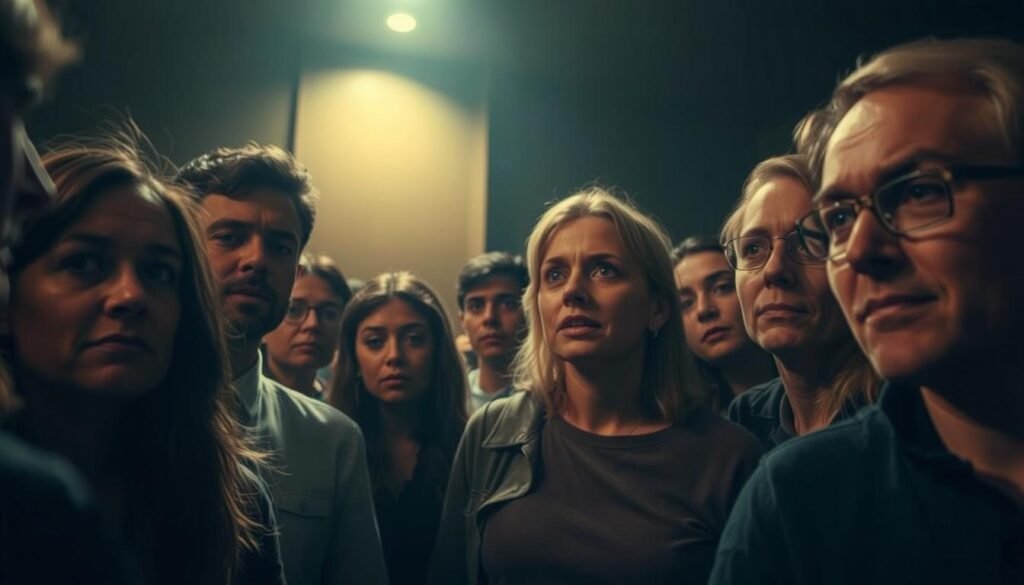
No individual wants to challenge group consensus. This phenomenon is known as groupthink. It occurs when cohesive groups prioritize harmony over realistic appraisal.
The desire to maintain unity overrides critical thinking. Each person reinforces others’ commitment rather than questioning the wisdom of continuing.
Shared sunk costs create shared blindness. Everyone has invested time, energy, and reputation into a project or belief system. The collective weight of those investments makes it nearly impossible to suggest abandonment.
Research reveals that people feel more responsible for decisions. They feel more prone to sunk cost bias when they’ve personally decided to invest. This differs from inheriting someone else’s decision.
Personal ownership creates psychological stakes. These stakes extend beyond rational calculation into territory of ego and identity.
Group leaders or charismatic individuals amplify sunk cost thinking. They frame persistence as loyalty and change as betrayal. In these dynamics, questioning the shared path becomes an act of disloyalty.
When Others’ Expectations Shape Our Choices
The psychology of peer pressure psychology reveals something surprising. We’re often more concerned about appearing wasteful to others. This concern exceeds worry about actual waste itself.
The social shame of “giving up” frequently exceeds the practical cost. This happens even when continuing down an unwise path costs more.
Megan Phelps-Roper’s story powerfully illustrates this dimension. She contemplated leaving Westboro Baptist Church. She faced not just the loss of beliefs but the devastation of losing everything.
Her entire social world—family, friends, identity, and belonging—hung in the balance. Her words capture the depth of this pain. There was “no containing the despair and devastation.”
This social dimension makes religious, political, and organizational sunk costs particularly difficult to escape. We’re not just abandoning investments. We’re potentially abandoning the people who witnessed those investments.
In professional settings, teams hesitate to cancel failing projects. No one wants to admit the initiative should end. In social contexts, we stay at events because we said we’d attend.
In personal relationships, we remain in situations because others approved our initial choice.
The fear of judgment overrides clear evidence that change is needed. We worry about being perceived as inconsistent, weak, or unreliable. Public commitment escalates this effect dramatically.
The more publicly you’ve advocated for something, the harder it becomes to reverse course. You feel exposed when changing direction.
| Social Context | Pressure Mechanism | Impact on Sunk Cost Fallacy | Liberation Strategy |
|---|---|---|---|
| Professional Teams | Fear of appearing incompetent or disloyal to colleagues | Continuing failing projects to avoid admitting mistakes | Create cultures that reward early recognition of failures |
| Family Systems | Obligation to honor past family decisions and traditions | Maintaining courses that no longer serve current needs | Frame adaptation as honoring family wisdom while evolving |
| Political Communities | Criticism of “flip-flopping” and demand for consistency | Rigid adherence to positions despite new evidence | Celebrate intellectual humility and evidence-based thinking |
| Religious Groups | Questioning equals betrayal of sacred community bonds | Suppressing doubts to maintain belonging and identity | Distinguish personal growth from group rejection |
Transforming Cultural Patterns
Social pressure intensifies the sunk cost fallacy. However, collective awareness can also liberate us from it. Examining social influence on decisions with clear eyes reveals opportunities.
We can shift entire cultural patterns.
Cultural norms often frame nuanced thinking as suspect. In politics, “flip-floppers” face harsh criticism. This happens even when changing positions reflects thoughtful reconsideration based on new information.
This creates environments where rigid consistency is valued over adaptive wisdom.
Yet we can choose differently. Organizations that reward “fast failure” recognize mistakes quickly and pivot. These environments celebrate learning over stubbornness.
They create cultures where the sunk cost fallacy loses its grip.
Political contexts can value nuanced thinking over stubborn consistency. This happens when citizens demand thoughtfulness rather than theatrical certainty. Communities can reframe changing beliefs based on new evidence.
They can view it as maturity rather than weakness.
Intellectual humility—the capacity to change our minds when evidence warrants—serves not just individuals but entire communities.
Each person who changes their relationship to sunk costs influences their entire social network. You model the courage to acknowledge mistakes and change direction. This gives others permission to do the same.
This creates ripples of wiser group decision making. These ripples extend far beyond your individual choices.
We cannot control others’ reactions to our decisions. Some may judge us for changing course. They may criticize us for “wasting” past investments or for appearing inconsistent.
Yet we can choose courage over comfort. True loyalty—to ourselves, our values, and even our communities—sometimes requires bravery. We must say, “This path no longer serves us.”
The social dimension of the sunk cost fallacy is powerful. However, awareness is more powerful still. Understanding how peer pressure psychology operates helps us make conscious choices.
We can decide whose approval we’re seeking and at what cost. We can build communities that celebrate growth over rigidity. These communities value learning over face-saving and wisdom over consistency for its own sake.
Case Studies of Entities Overcoming the Fallacy
Every successful decision pivot starts with a key moment. People choose truth over past investment. These transformation stories come from corporate boardrooms, mission-driven groups, and personal journeys.
Each story shows the difficulty and power of changing course. Past investments weigh heavily on present choices.
Real examples across different settings reveal important patterns. Some people and organizations break free while others stay trapped. These stories show the complex mix of courage, outside views, and clarity needed for change.
Learning from Corporate Courage and Catastrophe
The business world shows both warnings and inspiration about sunk costs. Boeing’s tragic failure to overcome sunk cost bias teaches a hard lesson. The 737 MAX disaster shows what happens when culture, pressure, and blind spots create disaster.
Billions already invested made changing course feel impossible. Evidence showed serious problems, but past spending clouded judgment. This wasn’t just poor individual judgment—it was systemic organizational failure.
Other corporate examples show different outcomes. Dr. Gregg Feinerman faced hard truth about his $250,000 laser investment. “It was the financial and emotional investment that made me persevere longer than I ought to,” he said.
This recognition itself represents victory. Clarity finally pierced through the fog of sunk costs.
Several factors helped Dr. Feinerman’s shift. These factors typically work together in successful decision pivots:
- Concrete outcome data that couldn’t be rationalized away – numbers that told an undeniable story
- Outside perspectives from colleagues who weren’t emotionally invested in the decision
- Growing costs of continuing that eventually exceeded even substantial sunk costs
- Personal exhaustion that created openness to alternatives
Organizations that celebrate pivoting create healthier decision conditions. They set clear success metrics upfront and schedule regular reviews. Their leaders face uncomfortable truths willingly.
These companies know that admitting mistakes shows strength, not weakness. Changing direction demonstrates good leadership.
The most successful pivoting strategies share common elements. Leaders communicate openly about why changes matter. Teams view past investments as learning experiences, not failures.
Mission-Driven Organizations and the Courage to Pivot
Nonprofit groups face unique challenges with sunk costs. Working for a cause makes it harder to separate persistence from stubbornness. Passion for mission can intensify the fallacy.
Yet mission focus can provide unusual clarity. The constant question becomes: Is this approach actually serving the people we aim to help? This focus offers guidance during difficult pivots.
Successful nonprofit groups share a commitment to evidence over attachment. They measure outcomes carefully, asking whether strategies achieve goals. Poor results lead to redirected resources, despite years of effort.
This requires cultures where learning trumps being right. Board members and funders must understand that pivoting shows accountability, not fickleness. Staff need permission to report honestly without fear.
The most effective mission-driven groups build regular strategic reviews. They revisit core assumptions and examine whether methods align with goals. This discipline prevents clouded judgment during crucial decisions.
Personal Transformation Through Painful Courage
The most powerful transformation stories come from individuals who walked away from enormous investments. These journeys show that successful decision pivots aren’t simply rational calculations. They’re painful passages through grief toward authenticity.
Megan Phelps-Roper’s departure from Westboro Baptist Church shows extraordinary courage. She didn’t just leave an organization—she left her entire worldview. The sunk costs weren’t merely financial.
They included every relationship, belief, and certainty that defined her existence.
Her story shows what enables personal transformation against high stakes. Outside perspectives played a crucial role—her friendship with someone from Words with Friends. This external viewpoint created space for questions.
Evidence accumulated over time contradicting church teachings. She couldn’t ignore these contradictions. Each one created small cracks in her certainty.
Eventually, these cracks widened enough that staying required more denial than leaving required courage.
Most profoundly, Megan chose to live out her own values rather than those of corrupt leaders, and the humility to abandon a doomed course before it sinks her. This wasn’t about calculating wins and losses. It represented a choice between belonging and integrity.
The cost was real and heavy. She lost community, family relationships, and absolute answers. The grief continues.
Yet she gained something equally profound. She found courage to live by her own values. She built a new life in South Dakota aligned with her deepest truths.
Another transformation story involves a therapy client who reframed a draining relationship. It cost her three hours of sleep nightly. She spent hundreds on supplements and therapy managing stress.
The sunk costs felt overwhelming—time invested, emotional energy poured in. Leaving would mean all that suffering was for nothing.
Her breakthrough came through reframing. She stopped seeing past investment as “a debt to be paid” and began viewing it as “an experience in life.” This shift proved liberating.
Experiences teach us things. They shape who we become. But they don’t obligate us to continue suffering.
She released the belief that past investment created future obligation. This freed her to make present-focused choices. She honored what the relationship taught her while acknowledging it no longer served her.
These transformation stories share common threads. Each person separated past investment from present reality. They accessed external perspectives offering alternative views.
They developed courage to face grief rather than stay in familiar misery. They reframed their narratives, seeing past investments as experiences, not debts demanding repayment.
None of these stories are simple or painless. Overcoming business failures in personal lives requires grieving what we leave behind. But these examples prove change is possible.
Humans possess remarkable capacity for growth. We just need courage to honor truth over investment.
Conclusion: Moving Beyond the Sunk Cost Fallacy
Living free from the sunk cost trap means recognizing that each moment offers a fresh start. Your past investments in time, money, and emotional energy don’t disappear. However, they don’t need to control your future decisions.
Finding Freedom Through Flexibility
Embracing change requires courage. Megan Phelps-Roper demonstrated this by choosing a present-focused approach. She gained “the courage to live out her own values rather than those of corrupt leaders.”
Change often involves grief for what you’re leaving behind. That grief deserves acknowledgment. On the other side, you’ll often find relief and alignment with your deeper values.
Strengthening Your Inner Compass
Building decision-making wisdom involves developing intellectual humility. This means updating beliefs when circumstances change. Research shows that recognizing distinct costs helps people escape the sunk cost trap.
One Canadian study found people more willing to quit when considering potential harm to others. Each time you successfully recognize sunk cost thinking, the next recognition becomes easier.
Your Path Forward
Veronika Tait offers guidance worth remembering: “Regardless of how much you’ve invested, focus on what’s going to be best moving forward.” This wisdom serves both as practical advice and spiritual teaching.
Start small. Notice when you’re defending a choice more vigorously than circumstances warrant. Ask yourself: Would I make this choice fresh today?
Past investments can warp decisions in sneaky ways. Assessing the true cost of those investments gives greater clarity about best choices. Each decision becomes an opportunity to choose what truly serves your highest good.